

News and Views
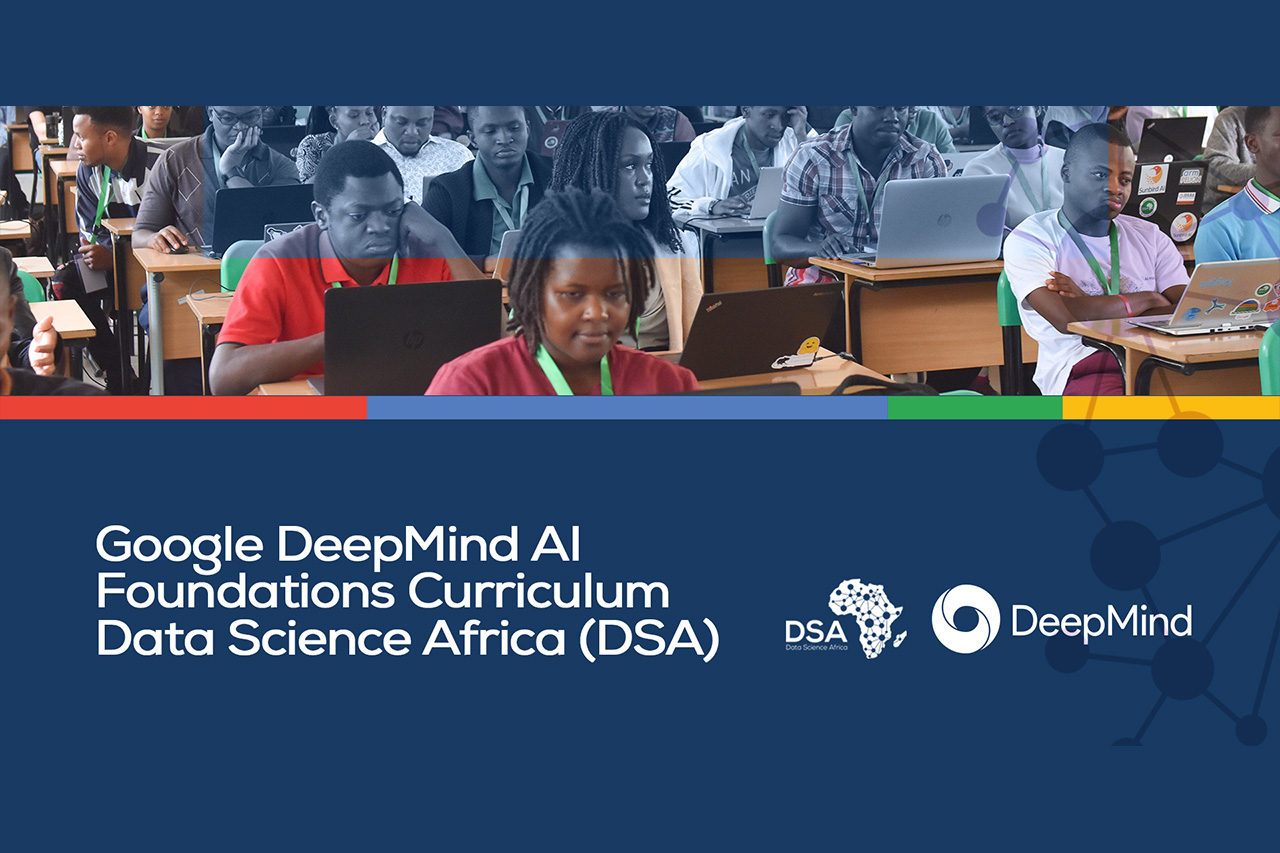
Google DeepMind AI Research Foundations Curriculum with Data Science Africa (DSA)
Data Science Africa (DSA) is proud to partner in delivering the Google DeepMind AI Research Foundations curriculum as part of our strategic commitment to strengthening AI capacity across the continent.
- Data Science Africa (DSA)

Data Science to Advance Women’s Health (DSAWH) Fellowship Program 2026 Cohort, Eastern and Southern Africa
Data Science Africa (DSA) is pleased to announce the 2026 cohort of the Data Science to Advance Women’s Health (DSAWH) Fellowship Program, welcoming 24 outstanding early-career women researchers from Eastern and Southern Africa.
- Data Science Africa (DSA)
DSA 2026 Workshop
DSA 2026 workshop will take place at Makerere University in Kampala, Uganda (23-24 July 2026). As part of the conference program, we invite submissions to a workshop on: Foundational and Practical Data Science in the Age of Generative AI.
- Data Science Africa (DSA)
CALL FOR APPLICATIONS: DSA 2026 Summer School
We are pleased to announce the Data Science Africa 2026 Summer School, an intensive 3-day program designed to equip students and early-career researchers with practical and theoretical foundations in modern data science.
- Data Science Africa (DSA)
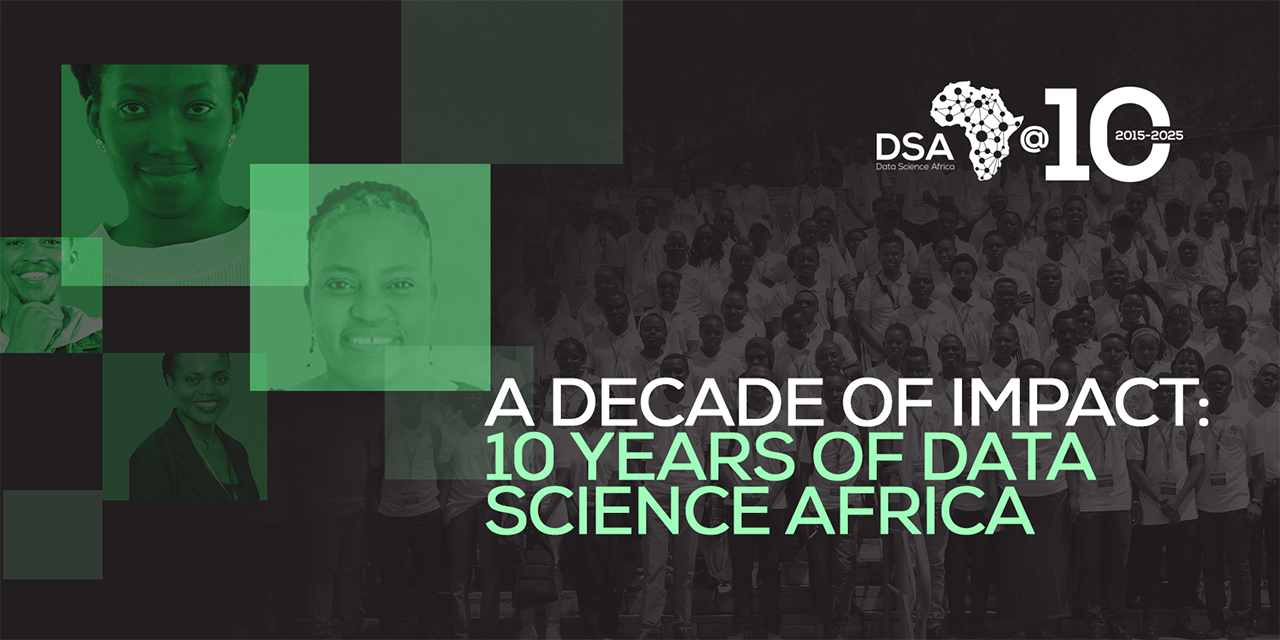
A DECADE OF IMPACT: 10 Years of Data Science Africa
Since the first summer school in 2015, held in Nyeri, Kenya, Data Science Africa (DSA) has grown from a small gathering into a pan-African movement for capacity building in data science and artificial intelligence (AI). In a decade, DSA has reached participants in 34 African
- Data Science Africa (DSA)
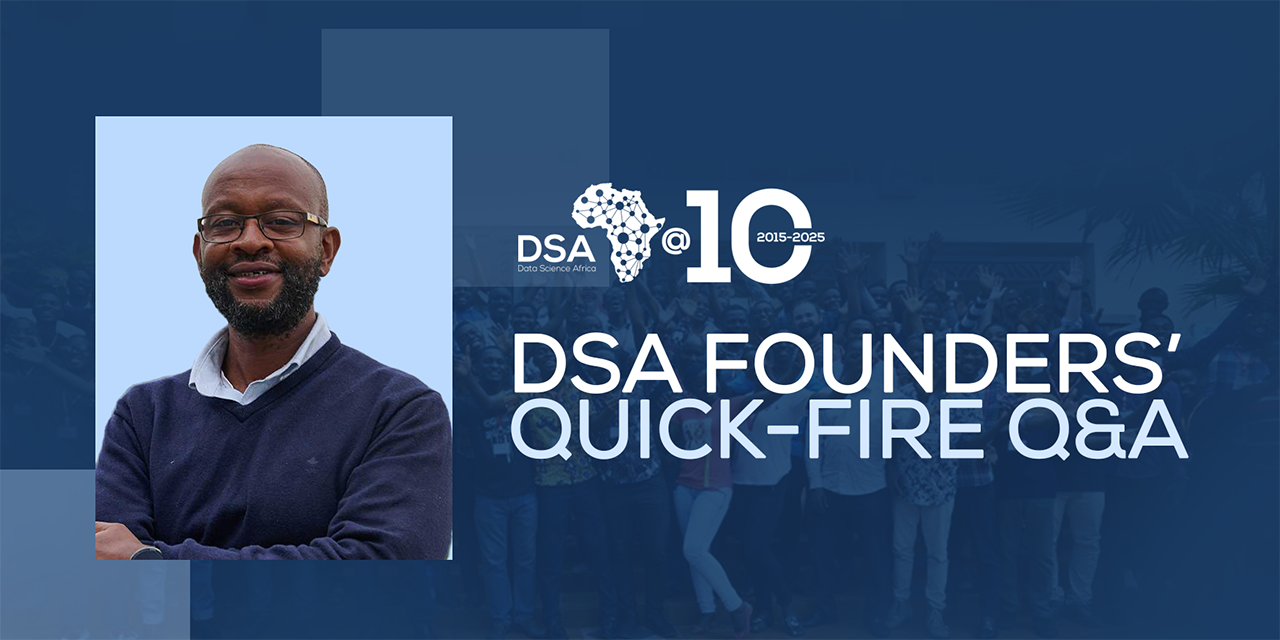
DSA Founders' Quick-Fire Question and Answer
As Data Science Africa (DSA) marks a decade of impact, its founders reflect on the moments, meanings, and milestones that shaped a movement. In this quick-fire Q&A, DSA’s pioneers share personal insights into what the community represents to them, from nurturing the next generation of
- Data Science Africa (DSA)
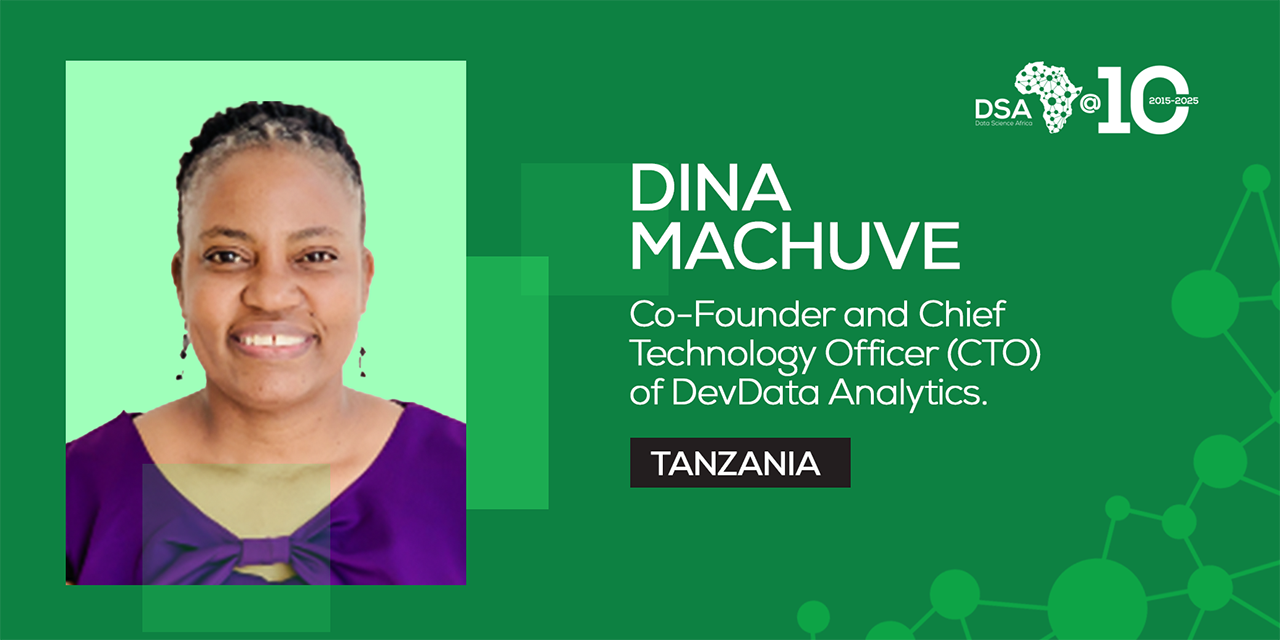
“Data Science Africa gave me the courage to found my startup”
I never imagined a 20-hour bus ride could change my life. In 2016, as a PhD student in Tanzania, I had no idea how data science could shape my future. My mentor, Morris Agaba, urged me to attend the Data Science Africa (DSA) summer school
- Dina Machuve, Co-Founder and Chief Technology Officer (CTO) of DevData Analytics.
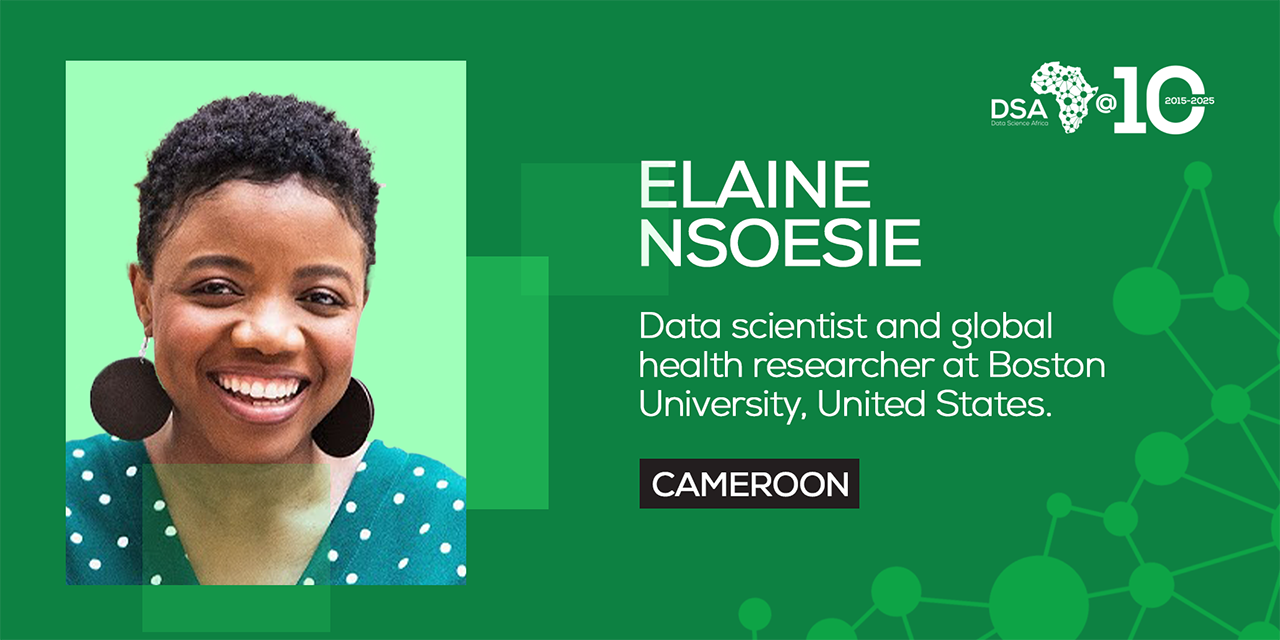
"You don’t have to know everything to give back"
I first heard about Data Science Africa (DSA) through a friend, Dr. Sekou Remy, who thought I’d find the community interesting. At the time, I was searching for spaces that aligned with my interests. Sekou, who was then at IBM, introduced me to DSA and
- Elaine Nsoesie, Data scientist and global health researcher at Boston University, United States.
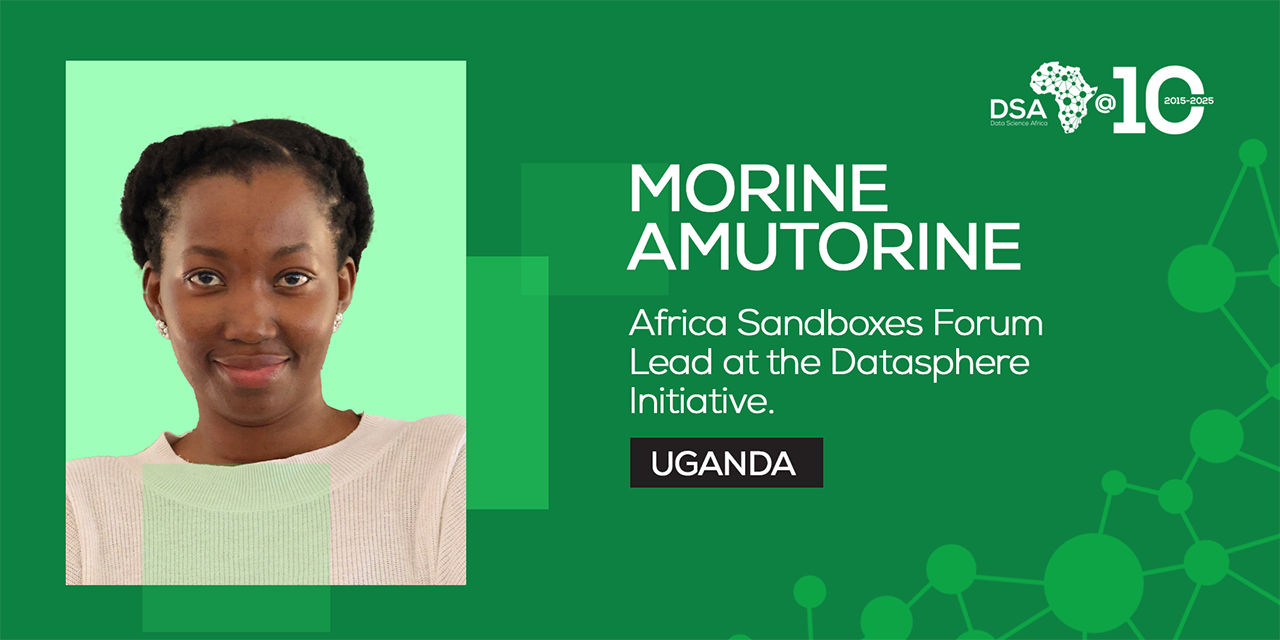
“I grew from writing code to data policy. I trace everything back to Data Science Africa.”
When I started out, I was just a software engineer trying to write cleaner code. Data, policy, AI weren’t part of my plan. But life has a way of changing direction and for me, that turn began with Data Science Africa (DSA).
- Morine Amutorine, Africa Sandboxes Forum Lead at the Datasphere Initiative.
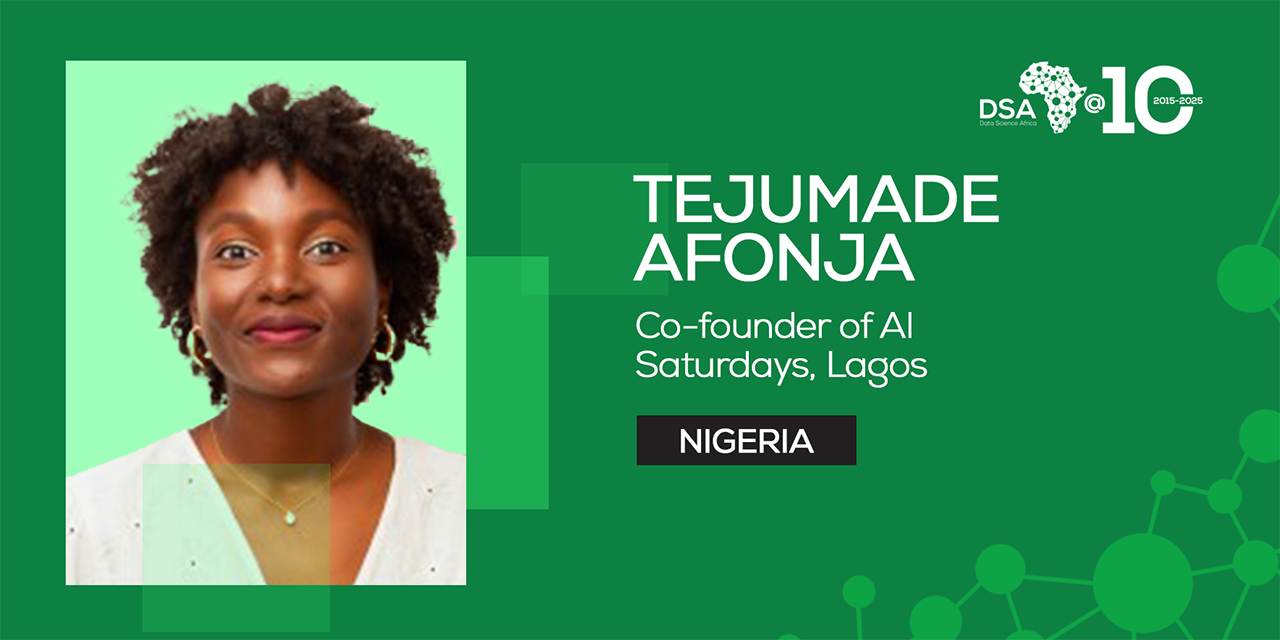
“Data Science Africa taught me anything is possible”
I first saw the call for the Data Science Africa (DSA) summer school back in 2017. At the time, I was just finishing my undergraduate degree in mechanical engineering at the University of Lagos in Nigeria, dabbling in front-end software development, and teaching myself Python
- Tejumade Afonja, Co-founder of AI Saturdays Lagos and PhD researcher at the CISPA Helmholtz Center for Information Security and Saarland University, Germany.
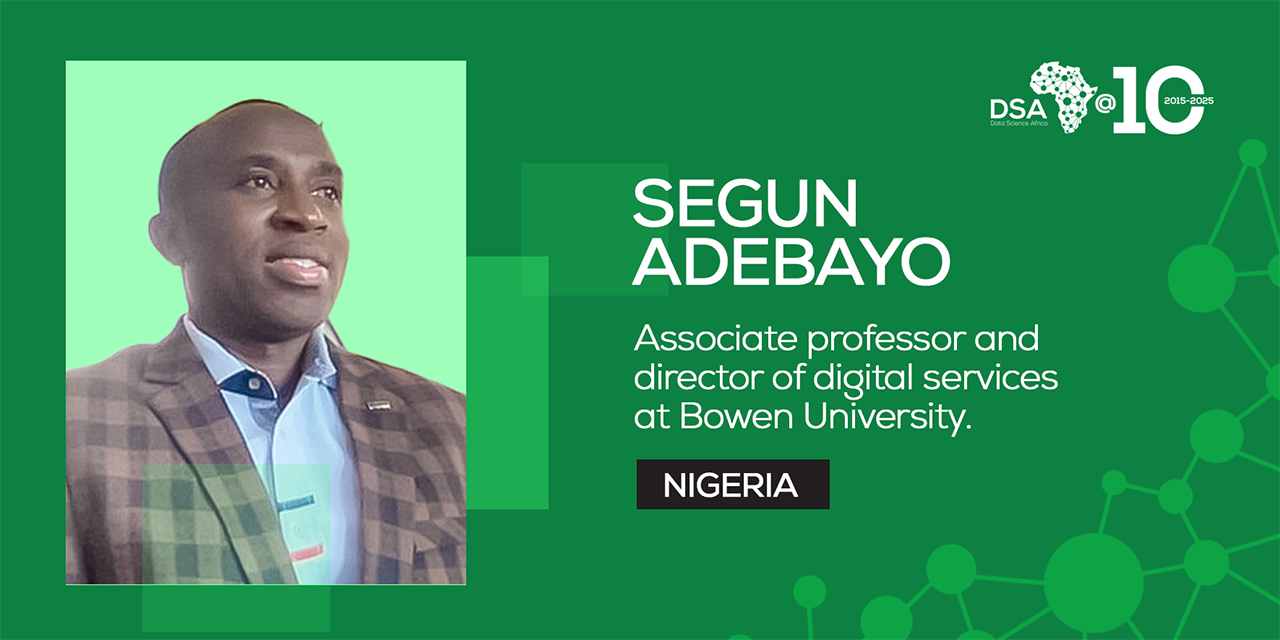
“Data Science Africa expanded my horizons.”
I work as a researcher at Bowen University in Nigeria, specializing in electrical and electronics engineering and AI. When I started my PhD in 2015, I was fascinated by how AI could be applied to improve agricultural productivity and over the years, my research has
- Segun Adebayo, Associate professor and director of digital services at Bowen University.
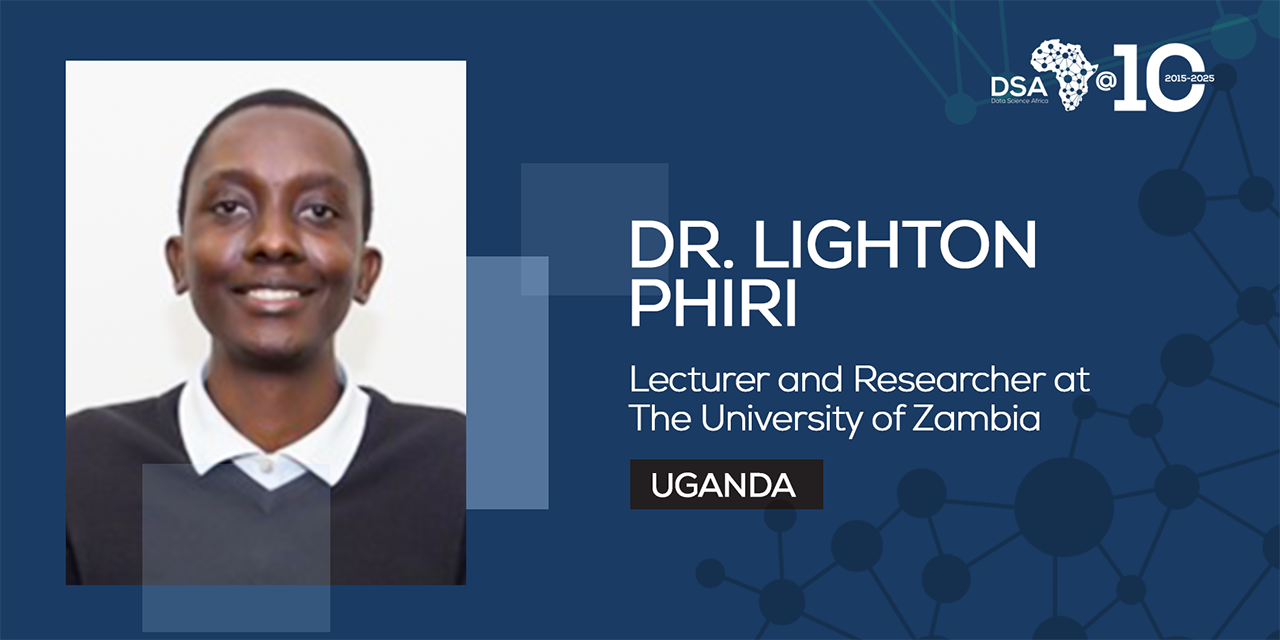
“Data Science Africa is the future.”
I always thought I would become an electrical engineer, but in 2001, the internet was just arriving in Zambia, and I got hooked on computers instead. That curiosity led me to a bachelor’s in Computer Science in 2007, a master’s in South Africa in 2011,
- Lighton Phiri, Lecturer and Researcher at The University of Zambia, African AI Research Awards 2022 recipient.
