-
This email address is being protected from spambots. You need JavaScript enabled to view it.


-

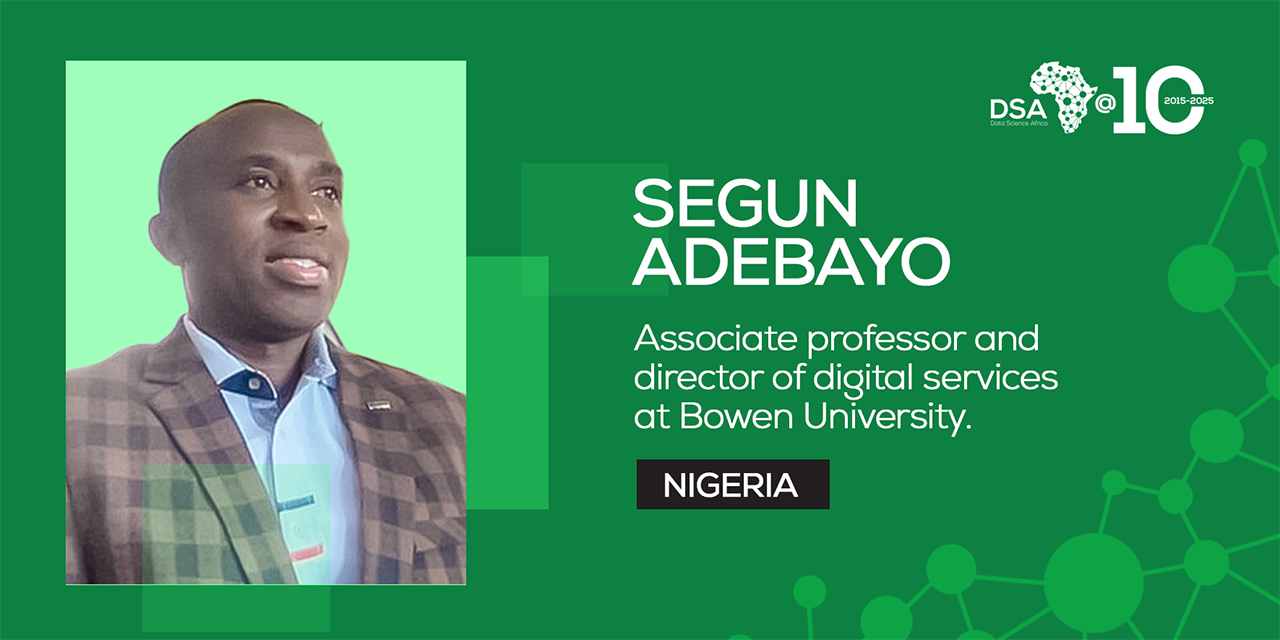
I work as a researcher at Bowen University in Nigeria, specializing in electrical and electronics engineering and AI. When I started my PhD in 2015, I was fascinated by how AI could be applied to improve agricultural productivity and over the years, my research has expanded into robotics and applied AI.
-
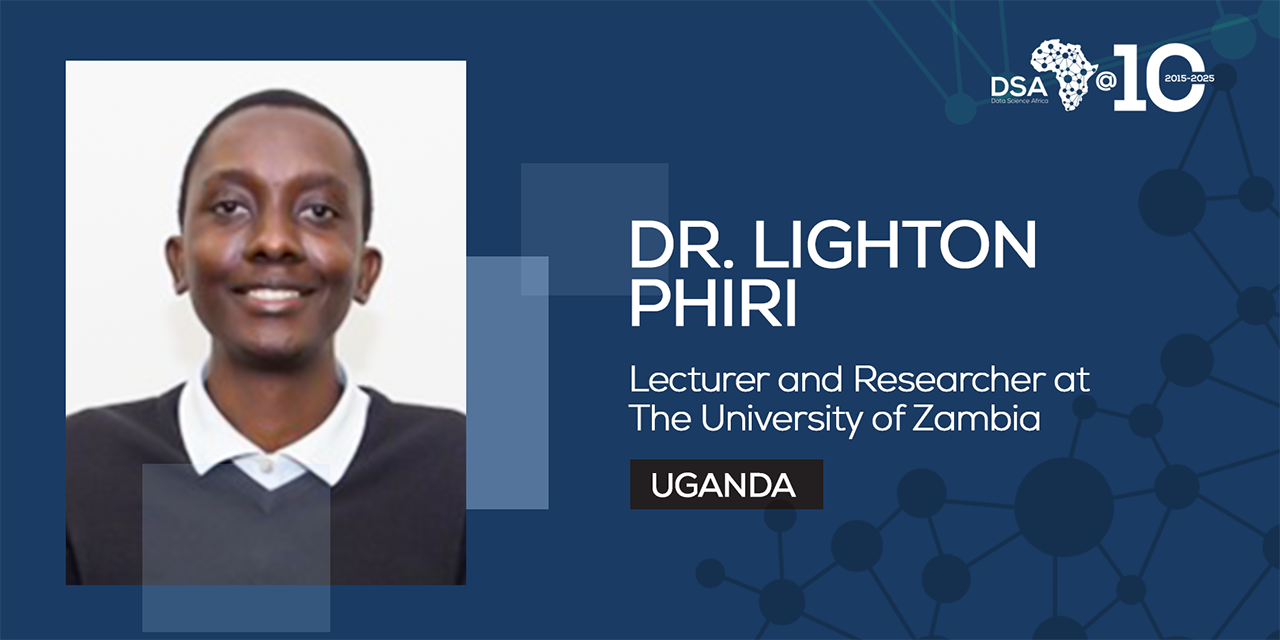
I always thought I would become an electrical engineer, but in 2001, the internet was just arriving in Zambia, and I got hooked on computers instead. That curiosity led me to a bachelor’s in Computer Science in 2007, a master’s in South Africa in 2011, and eventually a PhD at the University of Cape Town (UCT). Today, I’m a lecturer and researcher at the University of Zambia and the founder of the Data Lab Research Group.
-
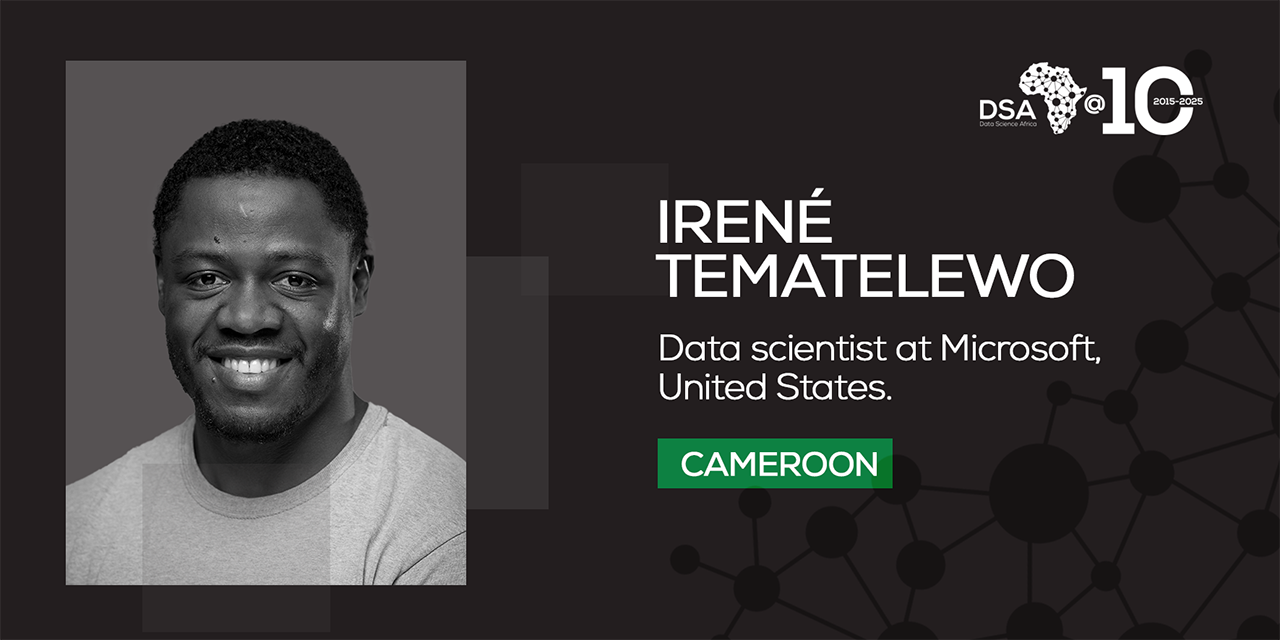
I still remember the day I realized my first startup dream wasn’t going to work out. I had poured my savings into building a mobile app to help people with type 1 diabetes predict their blood sugar levels. The idea was simple but ambitious: because insulin pumps were prohibitively expensive in many African countries, what if we could predict a patient’s blood sugar a few hours in advance and help them prevent dangerous highs and lows? I had no team, no funding, just a stubborn determination to succeed.
-
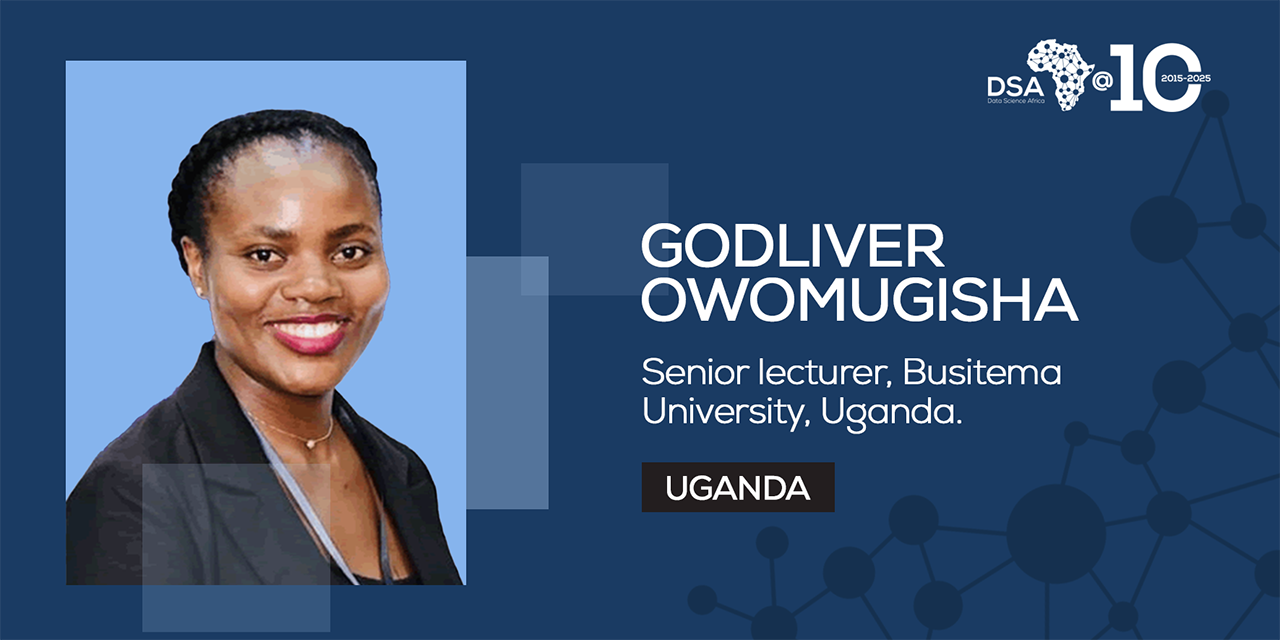
I grew up in western Uganda, in Bushenyi, and stumbled into computer science almost by chance. My cousin mentioned the course, my dad encouraged me to apply for it, and soon I was enrolled at Makerere University in Kampala, Uganda’s capital. I had no idea where it would take me.
-
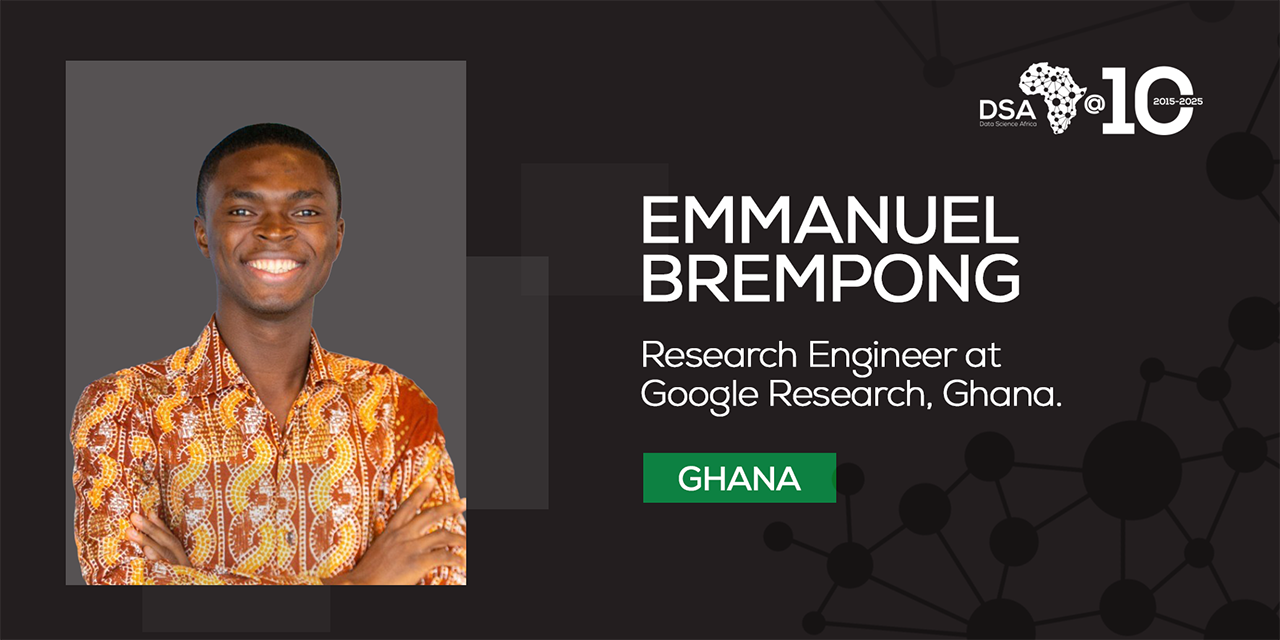
In 2019, when I finished university, I wasn’t sure how to turn my passion for artificial intelligence (AI) into a career. In Ghana, people told me, “You can’t really do AI here, you have to go abroad.” I believed that, until I attended Data Science Africa (DSA) in Accra that same year.
-
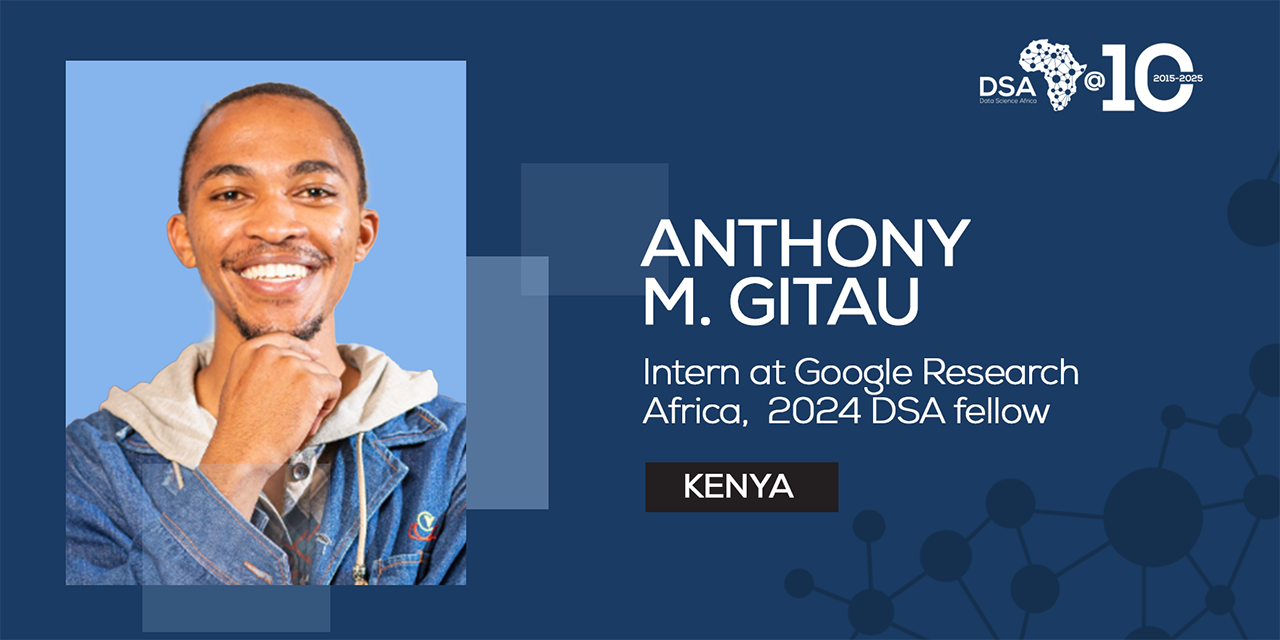
I grew up in rural Kenya, surrounded by farmlands. It was a simple life, but it shaped the way I think about problems and solutions. I learned early on how important observation and curiosity are, noticing how crops grew and how animals behaved. Later, I went to high school quite far from home and then to Kenyatta University in Nairobi. That’s where my journey toward data science began.
-
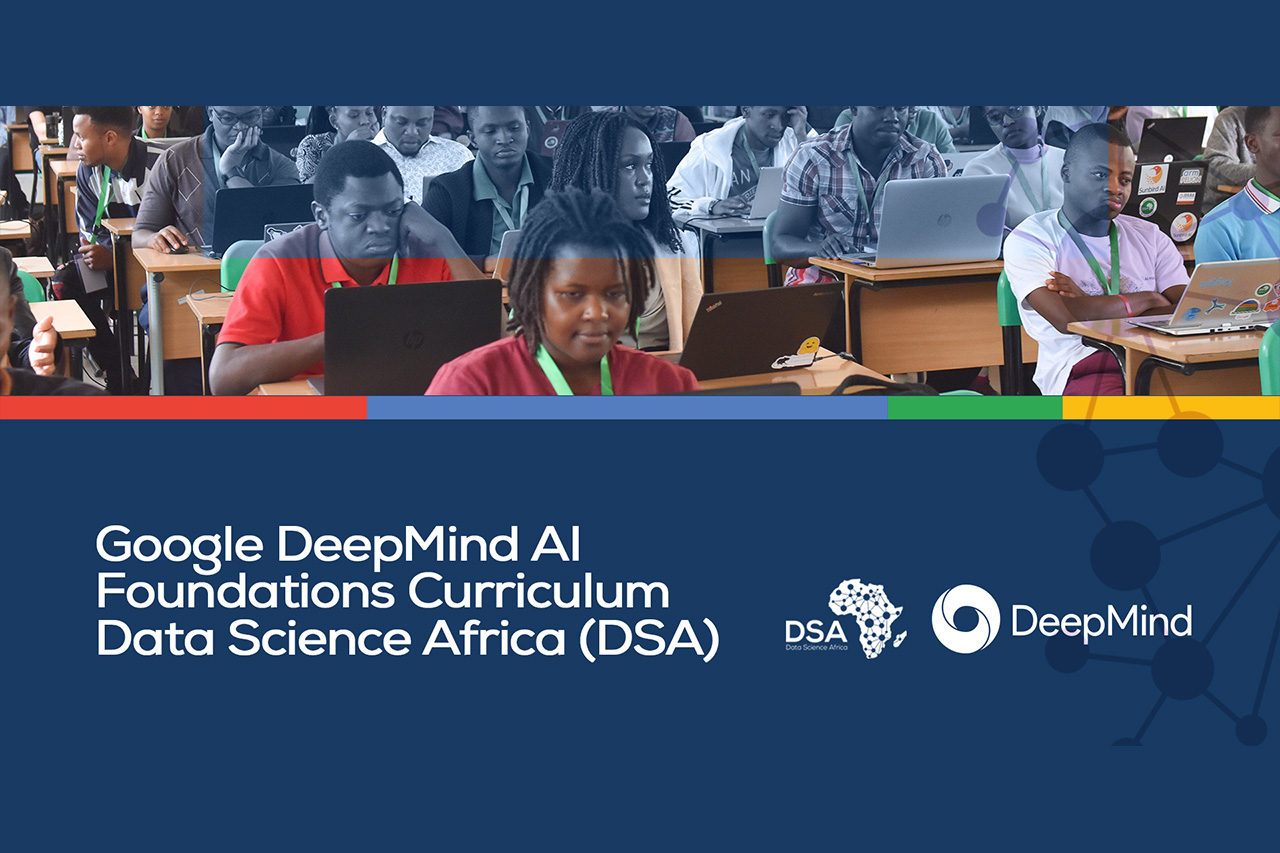
Data Science Africa (DSA) is proud to partner in delivering the Google DeepMind AI Research Foundations curriculum as part of our strategic commitment to strengthening AI capacity across the continent.
-
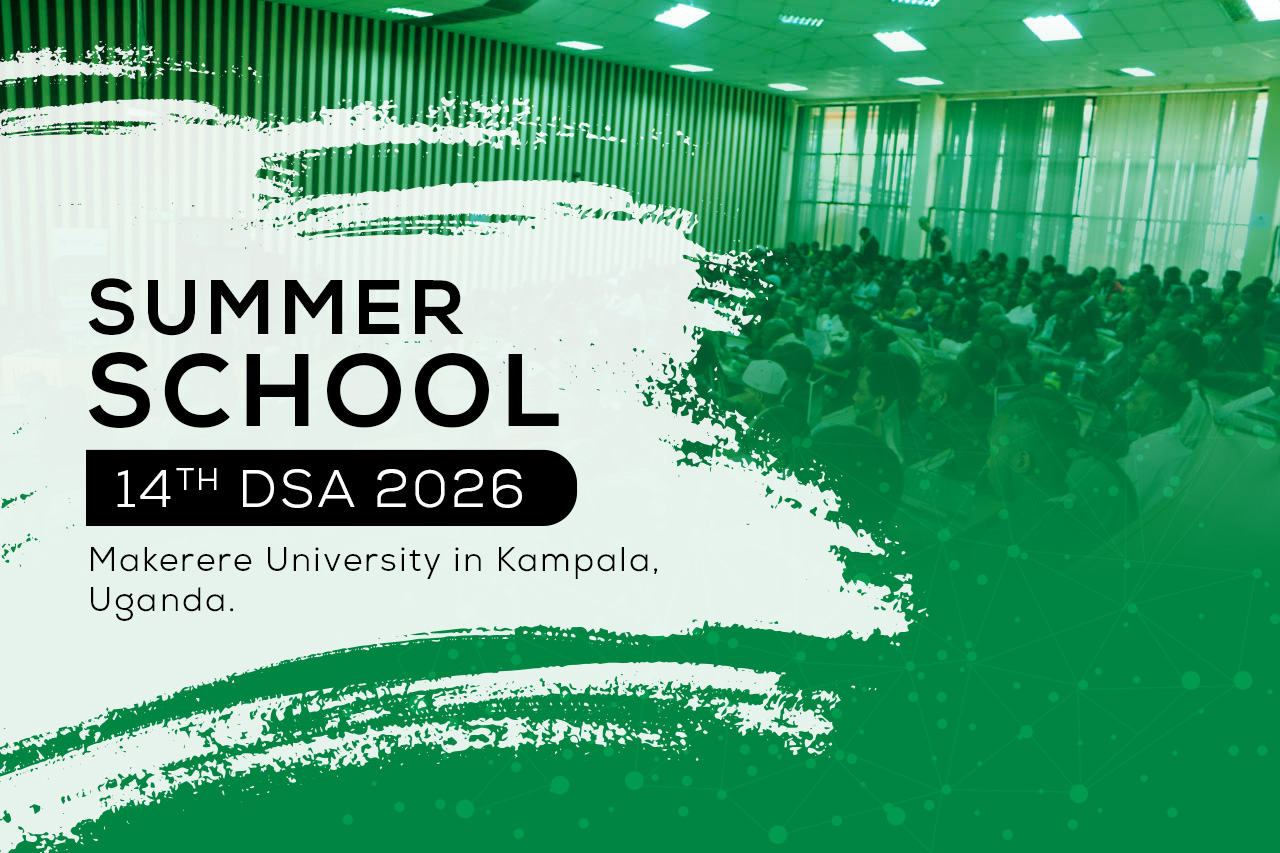
As we plan to host you at Makerere University, Kampala, from July 20th to 24th, 2026, for DSA 2026, we want to ensure your journey to Uganda is as smooth as possible. Below you will find essential information regarding visas, health requirements, flights, and accommodation.
-
Welcome to the DSA 2026 Summer School Schedule, your guide to days of immersive learning, collaboration, and innovation at Makerere University, Kampala, Uganda, from 20–24 July 2026. The programme brings together leading researchers, industry experts, and practitioners to deliver a blend of keynote addresses, plenary sessions, and hands-on parallel tracks covering today's most impactful areas of data science and artificial intelligence. Participants will explore topics ranging from Python for Data Science and Machine Learning Fundamentals to Generative AI, Large Language Models, Agentic AI, AI on the Edge, African Language Technologies, Responsible AI, and real-world AI applications, while engaging in networking opportunities and knowledge exchange with peers from across Africa and beyond.
-
About the Fellowship
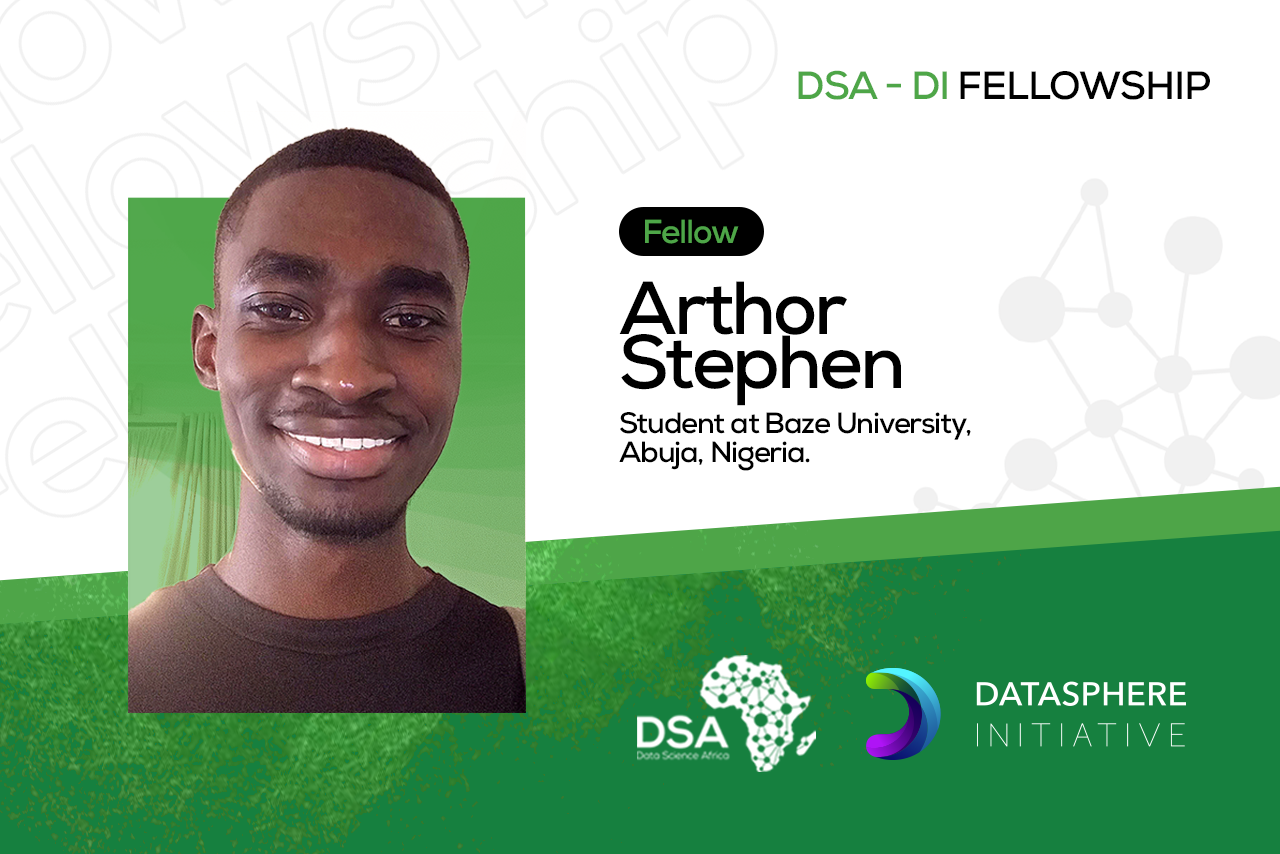
The Data Science Africa (DSA) Visiting Fellowship, in collaboration with Datasphere Initiative, supports research and collaboration on data governance and responsible data sharing within the DSA ecosystem, providing fellows with the opportunity to investigate emerging data governance challenges relevant to the African data ecosystem.
-
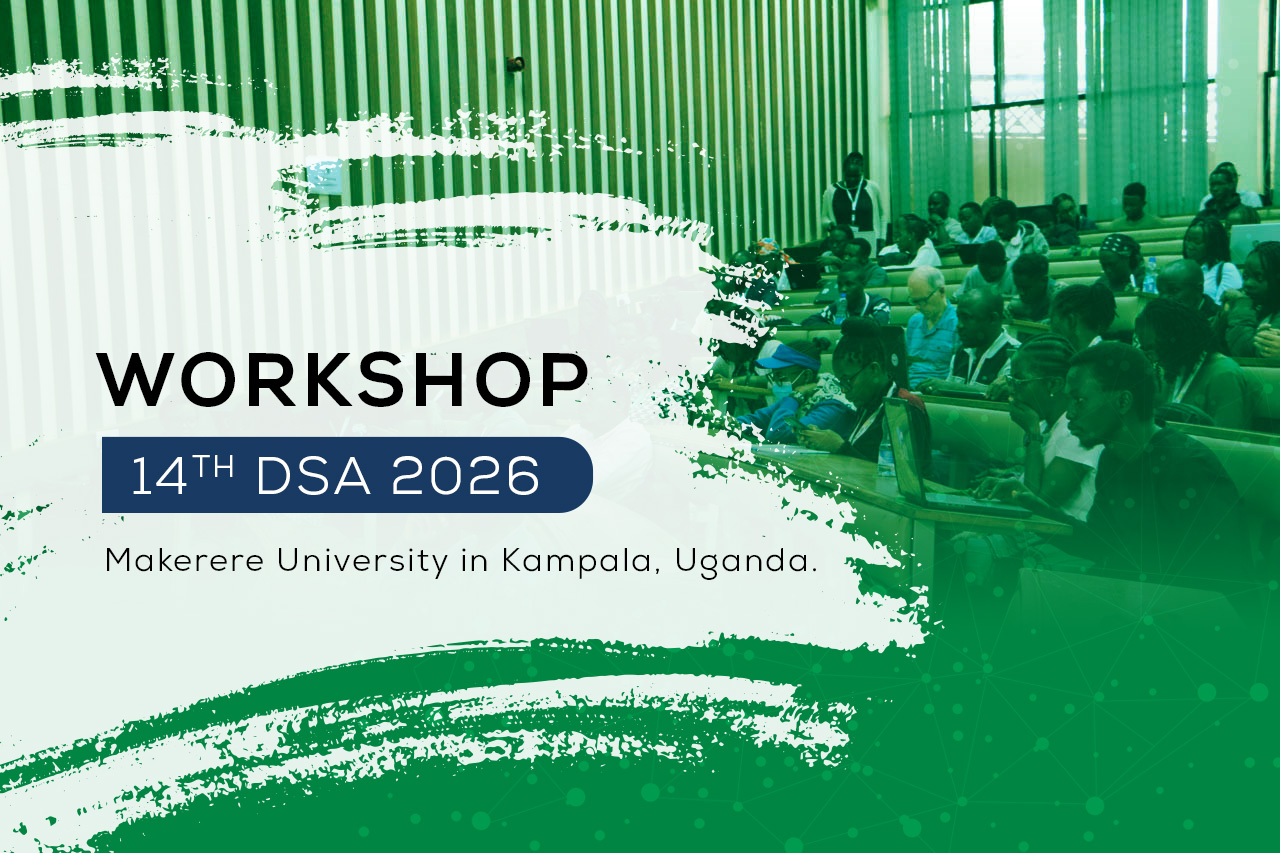
Welcome to the DSA 2026 Workshop Schedule, where cutting-edge research meets practical innovation in data science and artificial intelligence. Held at Makerere University, Kampala, Uganda, the two-day workshop brings together researchers, practitioners, industry leaders, and innovators to present original research, exchange ideas, and discuss emerging technologies shaping Africa's AI landscape. The programme features keynote presentations, technical paper sessions, poster presentations, and interactive discussions spanning foundational data science, Generative AI, African language technologies, responsible AI, cybersecurity, data governance, and impactful applications across healthcare, agriculture, education, finance, climate, and beyond. Explore the full schedule below and plan your participation in an engaging forum dedicated to advancing data-driven solutions for Africa.
-
The Data Science Africa (DSA) 2025 Activity Report captures a year of growth, collaboration, and practical impact across the continent. As DSA marked its tenth anniversary, the organisation expanded opportunities for learning, research, and innovation while strengthening the network of researchers, students, and institutions using data science and artificial intelligence to solve real challenges.
-
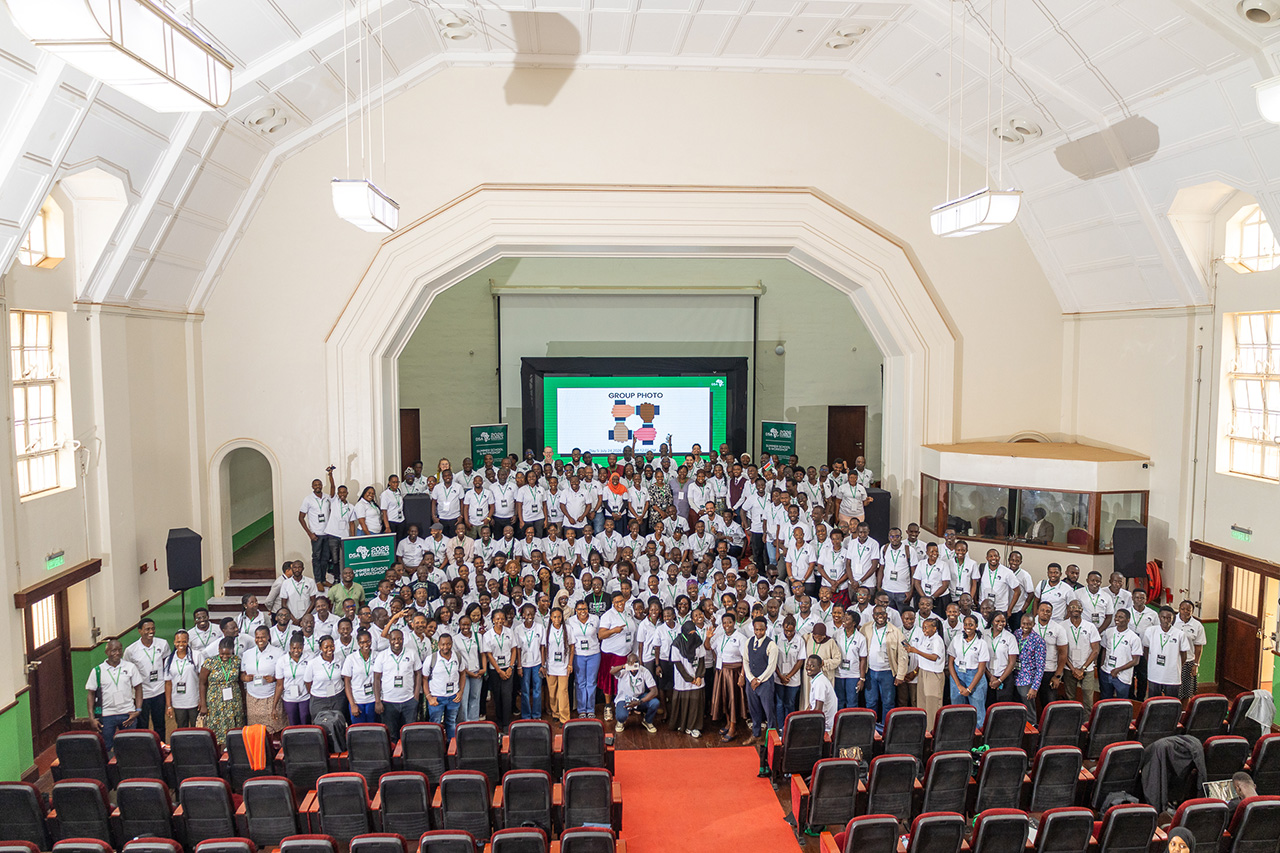
From 20–24 July 2026, Makerere University in Kampala, Uganda, hosted Data Science Africa 2026, welcoming students, researchers, practitioners, policymakers, and industry leaders from across Africa and beyond for five days of learning, collaboration, and research showcase.