-
This email address is being protected from spambots. You need JavaScript enabled to view it.


-

10 Questions that need answering to develop a data-sharing framework for Africa.
Data science communities across Africa have created - and are still developing - innovative uses of data and statistics to support COVID-19 response teams in mitigating the COVID-19 pandemic. These solutions aim to:
-
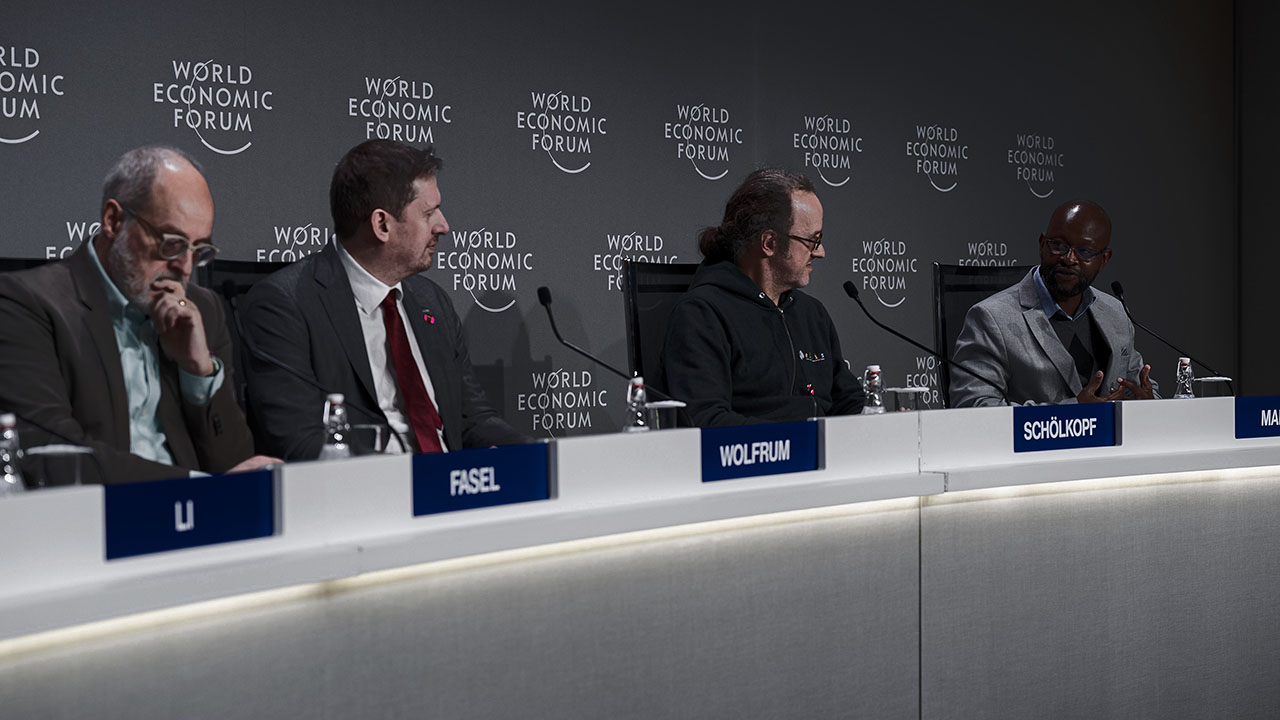
Data Science Africa, in collaboration with the Swiss Federal Department of Foreign Affairs (FDFA), ETH Zurich, EPFL, the European Laboratory for Learning and Intelligent Systems (ELLIS), the Swiss National Computing Centre (CSCS), and the LUMI consortium, launched the International Computation and AI Network (ICAIN) at the World Economic Forum (WEF) 2024 in Davos. Its mission is to develop AI technologies that benefit society as a whole, as well as being accessible to all and sustainable, thereby helping to reduce global inequality.
-
In the years since the first Data Science Africa summer school and workshop in 2015, DSA has grown and achieved several milestones, including events in eight African countries - Kenya (2015, 2018, 2024), Uganda (2016, 2020), Tanzania (2017, 2022), Nigeria (2018), Ethiopia (2019), Ghana (2019), South Africa (2021), and Rwanda (2023) - offering visiting fellowships to young researchers, contributing to affiliated academic institutions, supporting the establishment of local chapters of DSA across Africa, and providing grant support for early career and junior researchers.
-
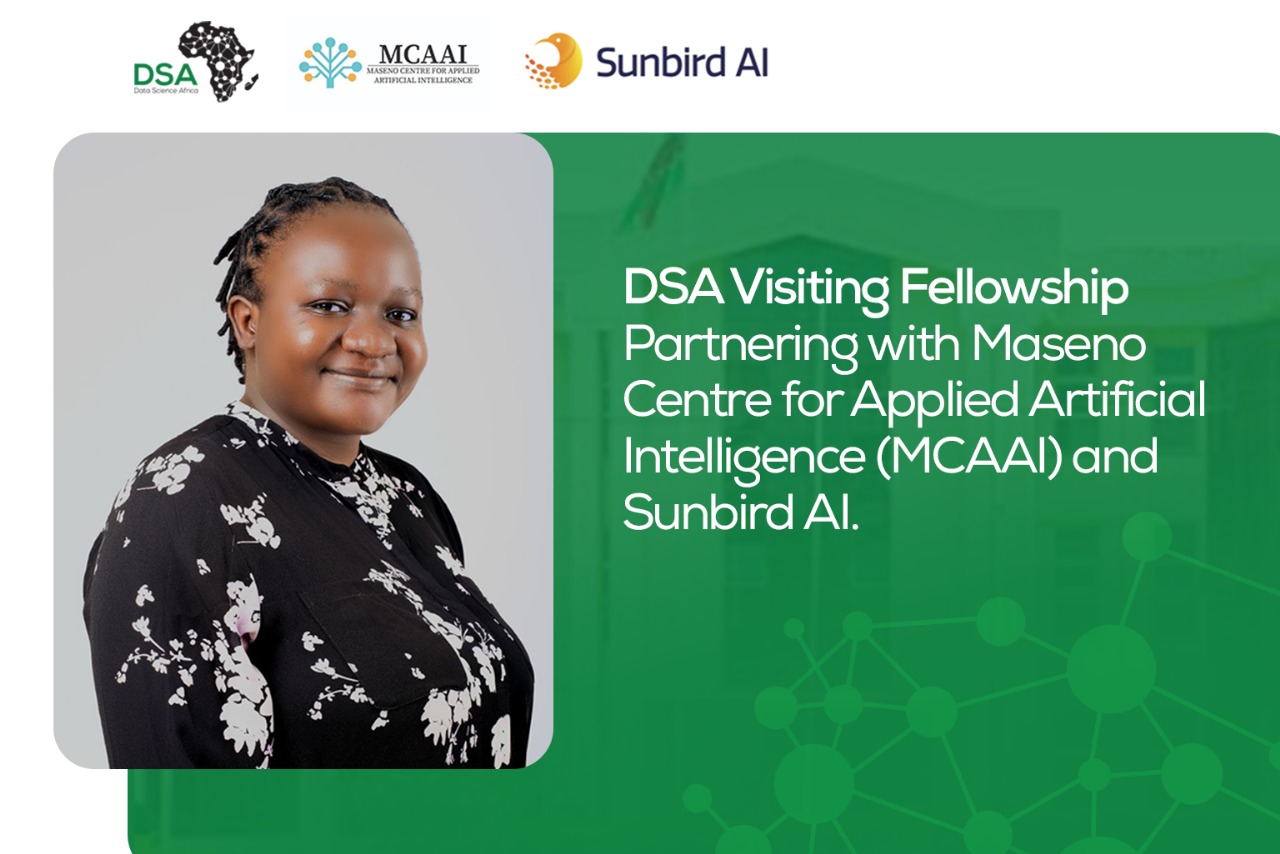
The Data Science Africa Visiting Fellowship presented exciting opportunities for members of the DSA community to explore and deepen their academic and professional interests through research visits to DSA partner academic institutions. This fellowship provided individuals with the opportunity to carry out independent research, build professional links, and develop their interests in data science and artificial intelligence research and policy.
-
The Data Science Africa Visiting Fellowship presented exciting opportunities for members of the DSA community to explore and deepen their academic and professional interests through research visits to DSA partner academic institutions. This fellowship provided individuals with the opportunity to carry out independent research, build professional links, and develop their interests in data science and artificial intelligence research and policy.
-
The Sunbird AI - DSAIL Visiting Fellowship is an innovative, one-year joint fellowship program designed to strengthen collaboration between Sunbird AI in Uganda and the Centre for Data Science and Artificial Intelligence (DSAIL) at Dedan Kimathi University of Technology in Kenya. This initiative underscores the growing need for locally relevant AI-driven technologies tailored to Africa's unique challenges and opportunities.
-
For the third consecutive year, Data Science Africa (DSA) has successfully delivered capacity-strengthening workshops as part of its continued partnership with the Meridian Institute. This collaboration focuses on enhancing the capabilities of Lacuna Fund grantees working in climate and health data science, equipping them with essential skills to advance their projects effectively.
-
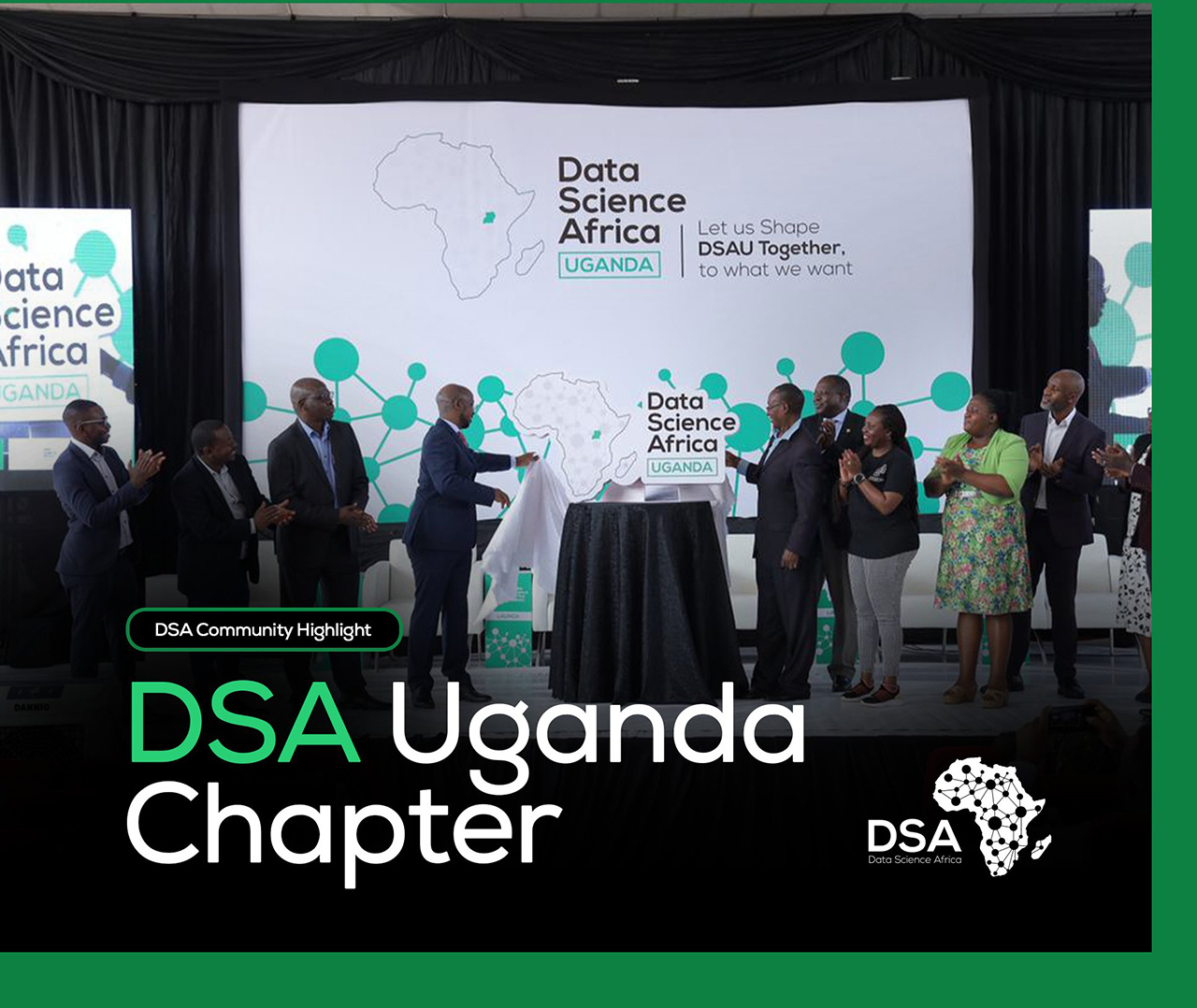
Data Science Africa (DSA) is committed to advancing regional engagement and collaboration within national data science ecosystems. A key milestone in this effort was the successful launch of the DSA Uganda Chapter in 2022, marking the first pilot initiative aimed at enhancing peer support and knowledge exchange among data science practitioners.
-
Data Science Africa (DSA) is proud to support the advancement of artificial intelligence research at Busitema University, Uganda. Through our collaboration with the Busitema Artificial Intelligence & Interdisciplinary Research Group (BUAIIR), we are fostering innovative AI-driven solutions in agriculture, climate change, health, and surveillance systems.
-
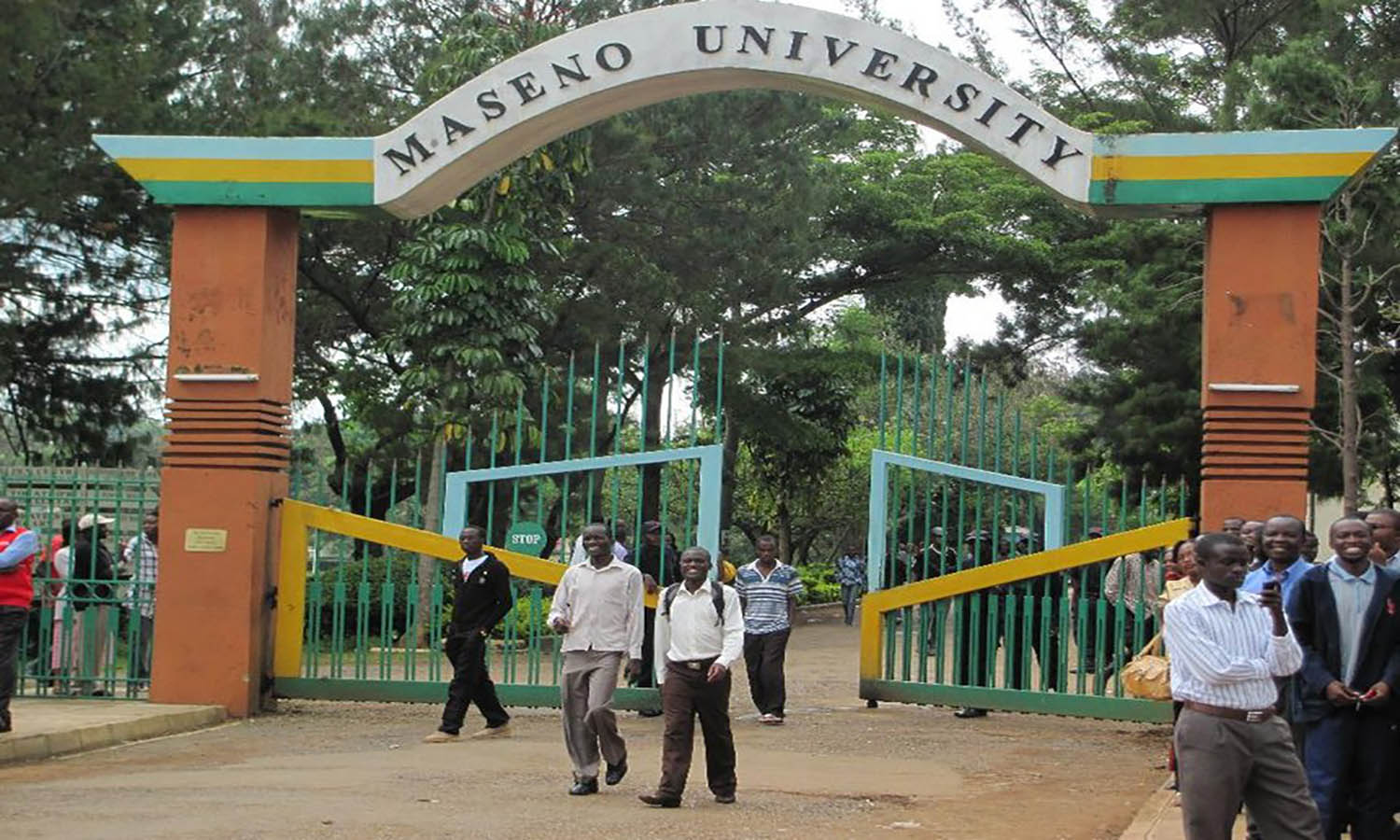
At Data Science Africa (DSA), we are committed to leveraging data-driven innovations to address real-world challenges. In partnership with the Maseno Centre for Applied Artificial Intelligence (MCA2I) at Maseno University, we are proud to support the Leveraging Artificial Intelligence for Kenyan Sign Language (KSL) Production project.
-
In 2024, Data Science Africa (DSA) continued its mission of strengthening data science, machine learning, and AI capacity across Africa through targeted training, research funding, industry collaborations, and community engagement. With a growing network of universities, research institutions, and industry partners, DSA has established itself as a key enabler of data-driven solutions to Africa’s unique challenges. This year saw major milestones in capacity building, research grant awards, strategic partnerships, and financial sustainability, further cementing DSA’s role as a leader in Africa’s data science ecosystem.
-
Data Science Africa (DSA) continues to advance applied AI research across the continent through its Visiting Fellowship Program, which provides researchers with opportunities to gain hands-on experience, strengthen industry-relevant skills, and contribute to projects that directly impact African communities. The program emphasises practical applications of AI, ensuring that research goes beyond theory to deliver tools that serve real community needs.
-
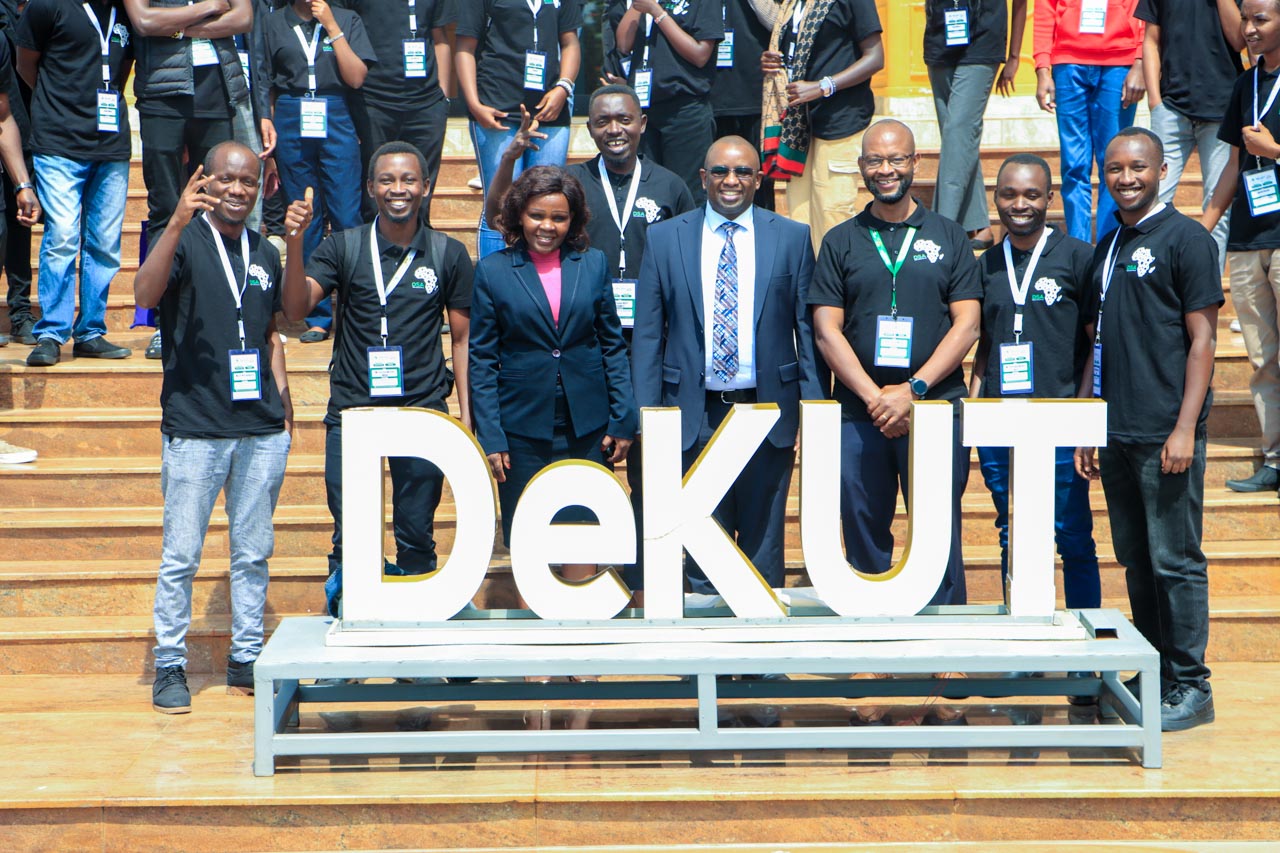
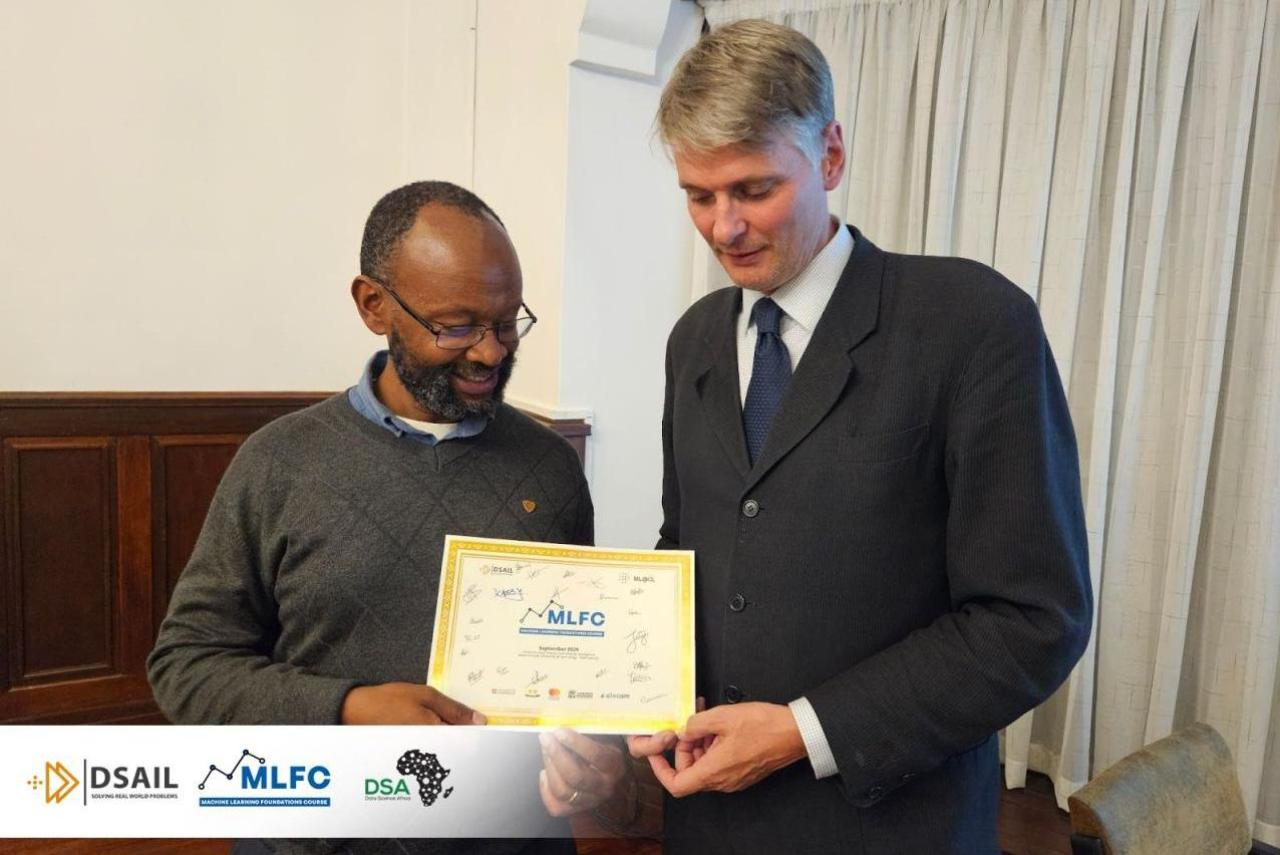
The Centre for Data Science and Artificial Intelligence (DSAIL), a Data Science Africa (DSA) affiliated centre, had the honour of hosting Prof. Neil Lawrence, Radzim Sendyka, and Frederick Lawrence from the University of Cambridge for the Machine Learning Foundations Course (MLFC) held from 1st to 24th September 2025 at Dedan Kimathi University, Nyeri, Kenya.
-
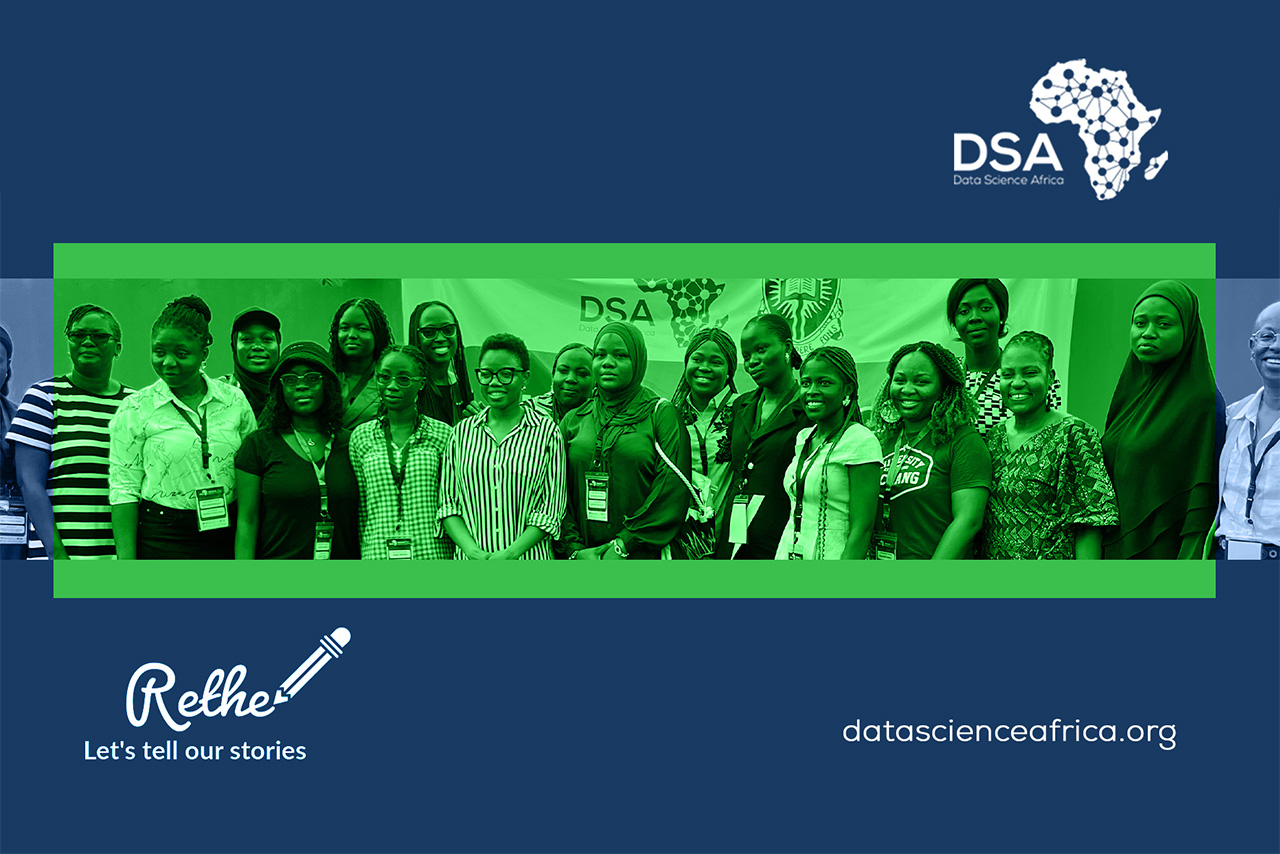
The DSA Women’s Health (DSAWH) Fellowship 2025 Cohort has officially wrapped up, marking the end of a powerful nine-month journey. This year, 20 outstanding women researchers from across West and Central Africa pushed the boundaries of innovation in women’s health, applying data-driven approaches to some of the region’s most pressing challenges.
-
I first heard about Data Science Africa (DSA) through a friend, Dr. Sekou Remy, who thought I’d find the community interesting. At the time, I was searching for spaces that aligned with my interests. Sekou, who was then at IBM, introduced me to DSA and mentioned they were planning an event in Abuja.
-
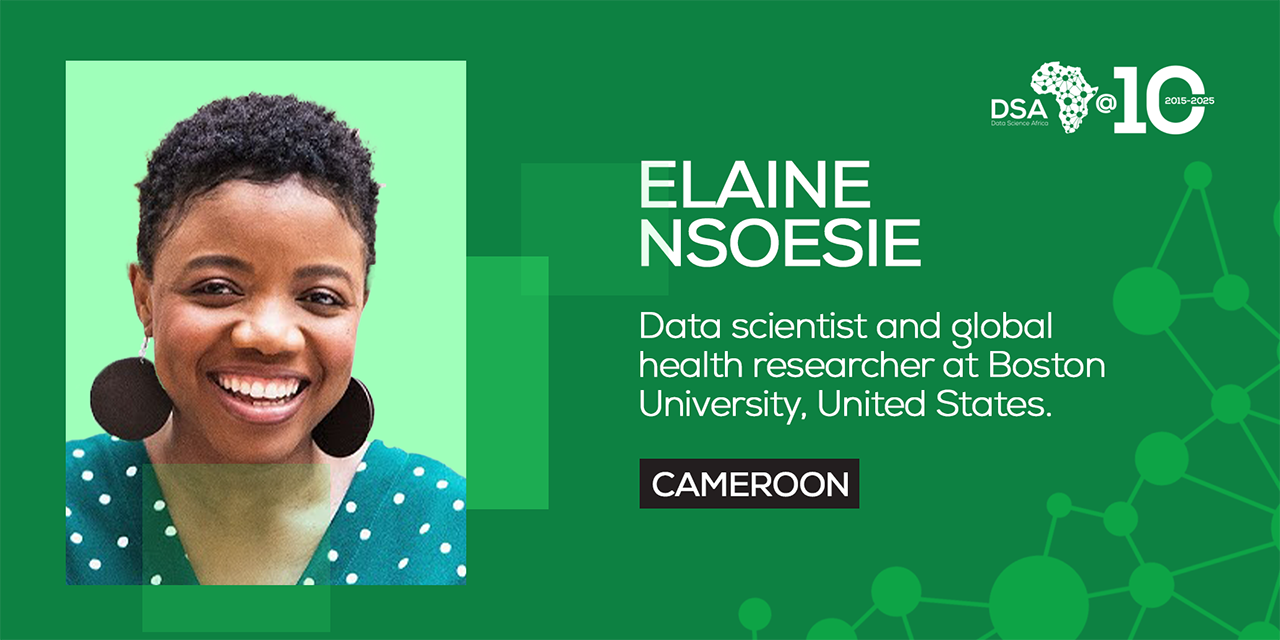
Since the first summer school in 2015, held in Nyeri, Kenya, Data Science Africa (DSA) has grown from a small gathering into a pan-African movement for capacity building in data science and artificial intelligence (AI). In a decade, DSA has reached participants in 34 African countries, convened 1,757 attendees across 13 events, and helped launch a community of data scientists building solutions for some of Africa’s biggest challenges — from health care to climate change, agriculture to education.
-
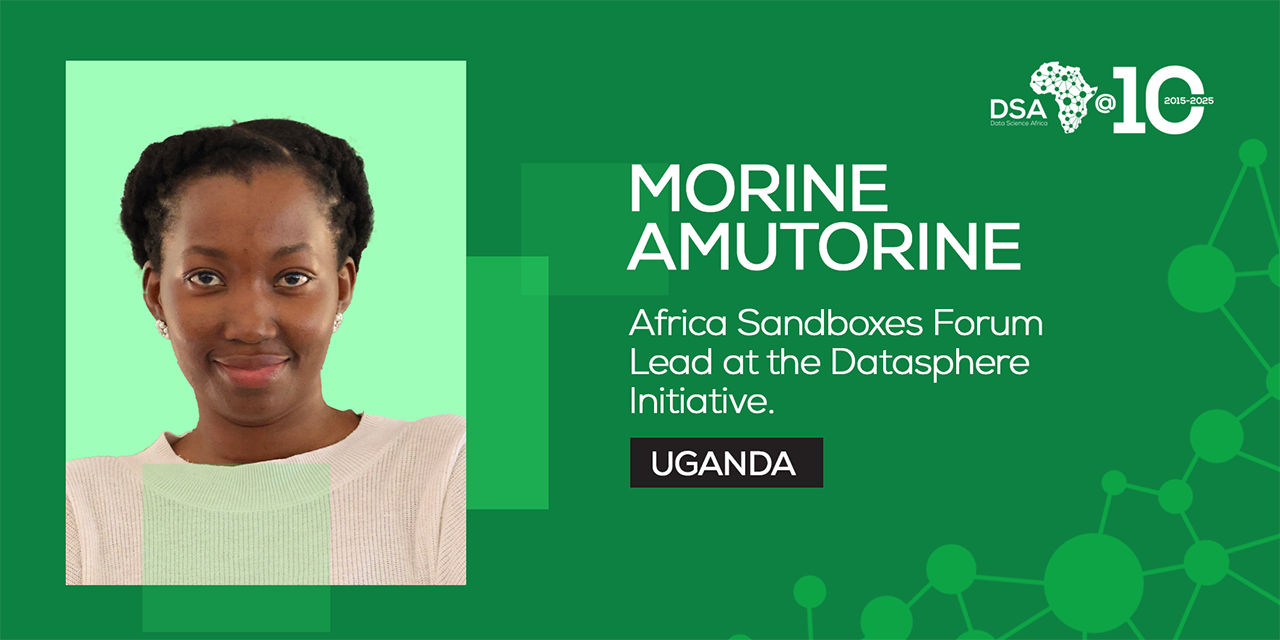
When I started out, I was just a software engineer trying to write cleaner code. Data, policy, AI weren’t part of my plan. But life has a way of changing direction and for me, that turn began with Data Science Africa (DSA).
-
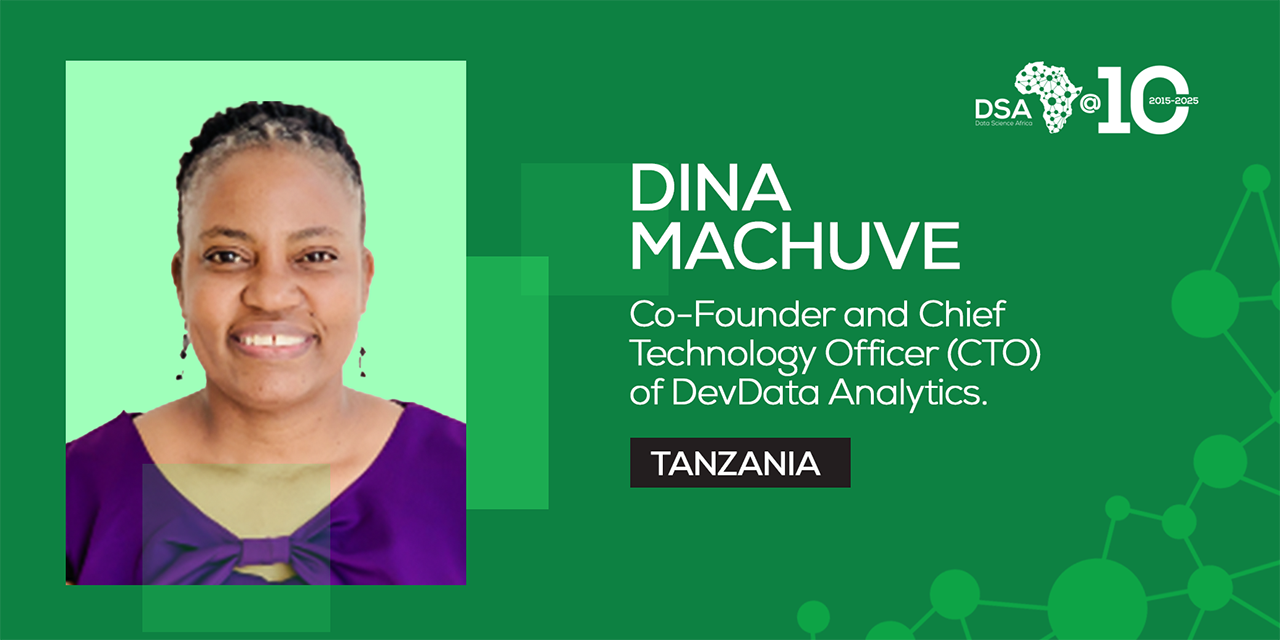
I never imagined a 20-hour bus ride could change my life. In 2016, as a PhD student in Tanzania, I had no idea how data science could shape my future. My mentor, Morris Agaba, urged me to attend the Data Science Africa (DSA) summer school held at Makerere University in Uganda. “Just go,” he said to me. “Figure out the travel.” So, three of us, determined women, took a bus to Kampala, unsure of what awaited us.
-
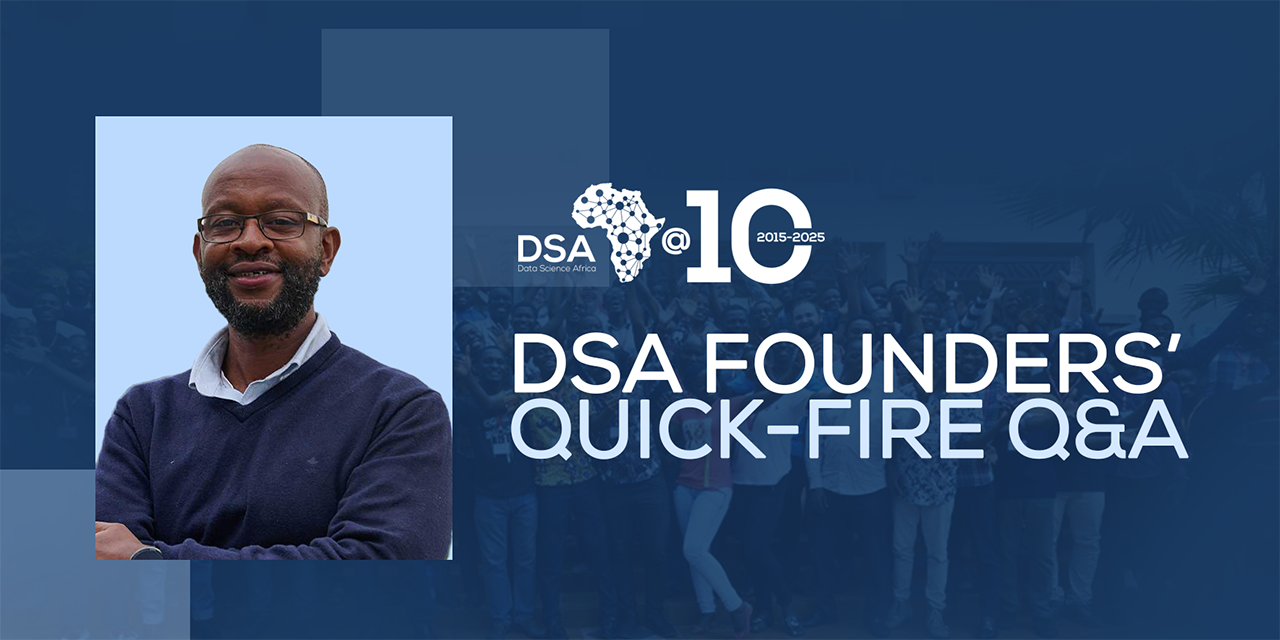
As Data Science Africa (DSA) marks a decade of impact, its founders reflect on the moments, meanings, and milestones that shaped a movement. In this quick-fire Q&A, DSA’s pioneers share personal insights into what the community represents to them, from nurturing the next generation of African data scientists and building continent-wide networks to witnessing life-changing transformations sparked by a single event. Together, their stories trace DSA’s journey from a bold idea to a self-sustaining, pan-African community driving Africa’s data and technology future.
-
I first saw the call for the Data Science Africa (DSA) summer school back in 2017. At the time, I was just finishing my undergraduate degree in mechanical engineering at the University of Lagos in Nigeria, dabbling in front-end software development, and teaching myself Python and machine learning. I had no computer science background, no idea what the future held. But I knew I wanted to learn and to grow.